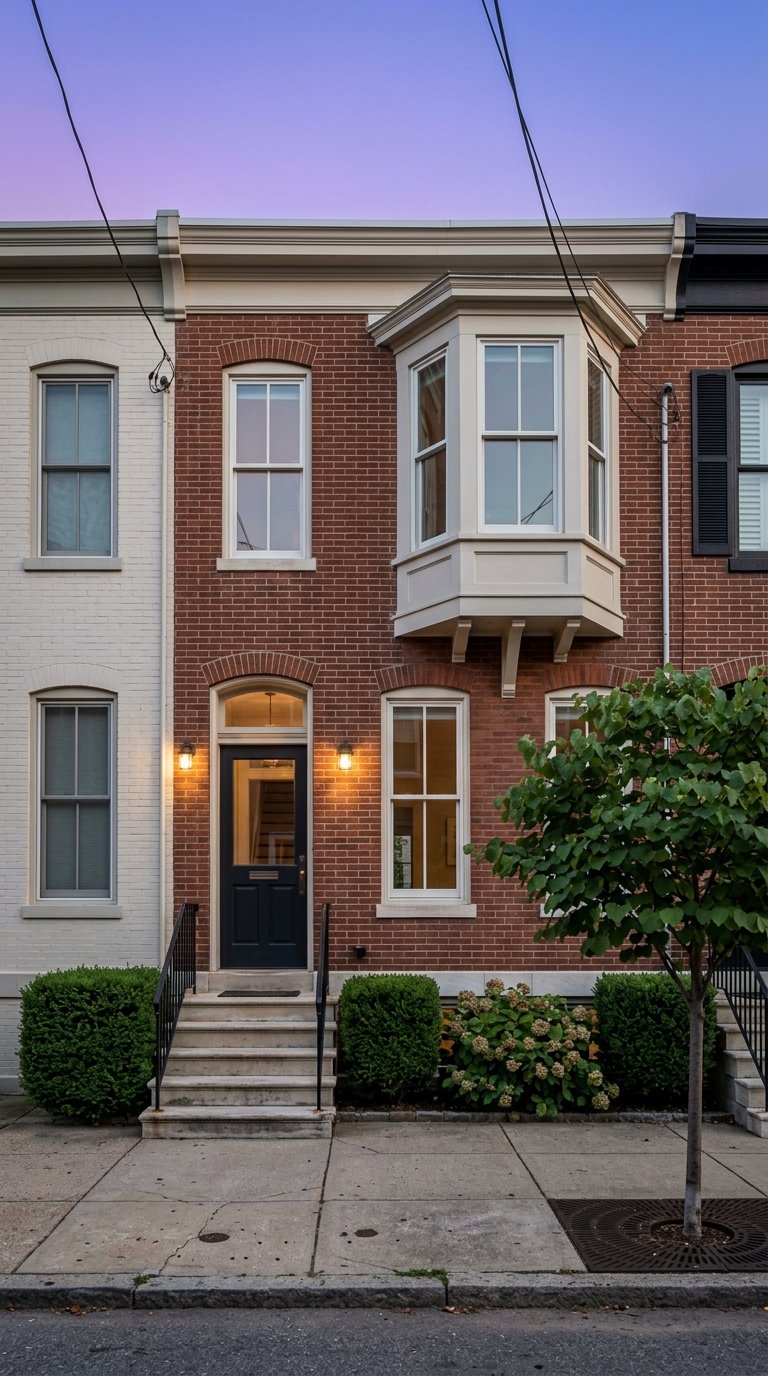
Curious why homes in Covington feel so different from one block to the next? In this city, architecture is more than curb appeal. It shapes how you live, park, walk, renovate, and even how close your front door sits to the sidewalk. If you are buying, selling, or simply trying to understand the local market, this guide will help you spot the major home styles in Covington, KY and understand what they can mean for daily life. Let’s dive in.
How Covington’s Architecture Stands Out
Covington has a long development history, and that shows up clearly in its housing stock. The city notes that it has almost four dozen National Register listings and two National Historic Landmarks. Its preservation guidelines are built to protect historic character, including setbacks, massing, streetscape, and compatible materials.
That means you are not looking at one dominant style across the whole city. Instead, you see a layered mix of rowhouses, cottages, detached Victorian-era homes, bungalows, apartments, and converted commercial buildings. For buyers and sellers, that variety is part of what makes Covington memorable.
Brick Rowhouses and Townhouses
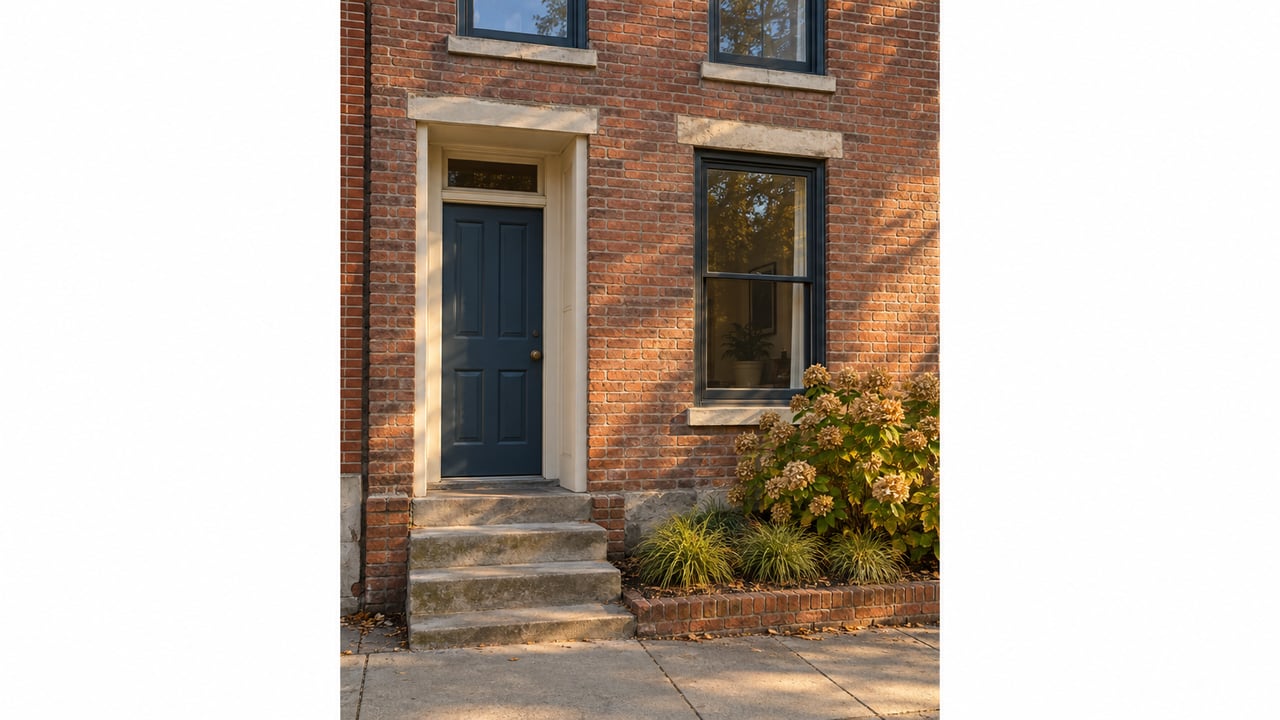
One of the most recognizable local housing types is the Covington-Newport Townhouse. In the West Side/MainStrasse historic district, the city describes roughly 800 buildings, mostly residences, and says this is the most common house type there. These homes typically have a two-bay façade with a side entrance that leads to a stair hall.
You will also find many brick rowhouses and attached homes in this part of Covington. The district includes a strong concentration of Italianate houses, along with Greek Revival, Gothic Revival, Second Empire, Queen Anne, and Romanesque examples. The result is a streetscape that feels historic, compact, and distinctly urban.
For many buyers, the appeal is easy to understand. These homes often sit in walkable areas with a close connection to local businesses, restaurants, and daily activity. The tradeoff is that outdoor space may be smaller, and parking can feel tighter than in more suburban settings.
Side-Entry Cottages and Narrow-Lot Homes
Covington also has its own smaller-scale local forms. The city’s 12th Street design traditions identify a “Covington style,” defined as side-entry cottages with side porches clustered on the north side of 12th Street. These homes reflect a pattern you see in many older parts of the city.
Long, narrow lots are a big part of that pattern. City guidance emphasizes minimal front and side setbacks, with buildings placed close to the street. That layout helps explain why many blocks feel dense, connected, and pedestrian-friendly.
If you are comparing home styles, this is a good reminder that lot shape matters almost as much as architecture. A smaller cottage on a narrow lot may offer charm and efficient use of space, but not the larger yard or driveway you might expect in newer neighborhoods. For the right buyer, that is a feature, not a drawback.
Licking Riverside’s Grand Mix of Styles
Licking Riverside offers one of the broadest architectural mixes in Covington. The city describes the neighborhood as home to river mansions that show nearly every major evolutionary style of American architecture from 1815 to 1920. Alongside those larger homes, you can also find modest brick townhouses, rowhouses, bungalows, apartments, and coach houses with garages.
Official district records for Licking Riverside and Riverside Drive list styles such as Greek Revival, Georgian, Late Victorian, Italianate, Second Empire, and Craftsman/Bungalow. That mix gives the area a layered look that reflects more than a century of building history.
For buyers, the setting can be a major draw. The city highlights river views and a highly scenic environment. At the same time, older street patterns and historic lot layouts can create a more street-oriented feel than what you would find farther from the urban core.
Queen Anne and Turn-of-the-Century Homes
If you love ornate exterior details, Covington has plenty to notice. By 1890, the asymmetrical Queen Anne residence had become the predominant form in Covington’s Eastside districts. Typical features included bay windows, corner towers, arched windows, and ornate porches.
Wallace Woods is described as a cross-section of turn-of-the-century suburban styles. Housing there ranges from mansions to apartments, duplexes, modest cottages, and later bungalows, with most homes dating from the 1890s through World War I. Helentown also includes Greek Revival, Italianate, and Queen Anne examples.
These homes can offer standout character and visual variety. They may also come with more upkeep, especially when porches, windows, and masonry need repair or restoration. If you are buying one of these homes, it helps to look beyond style and think carefully about condition and maintenance planning.
Historic Commercial Buildings Turned Homes
Covington’s architecture story is not limited to traditional houses. The Downtown Commercial Historic District is known for medium-size brick buildings with Italianate detail. Over time, some of these older commercial buildings have been adapted into housing.
The city has highlighted projects like the Bradford Building, which was converted into five condominium units above street-level commercial space. It has also pointed to Landwehr Lofts, where original apartment footprints and many historic interior finishes were retained during restoration. These examples show how older buildings can gain new life while keeping historic character.
For buyers, condos and lofts in historic buildings can offer a different balance. You may get preserved architectural details with more updated systems, but the quality of the adaptive-reuse work matters. Historic footprints and finishes are often retained rather than fully replaced, so the end result can vary from property to property.
Why Covington Feels Walkable
Covington’s walkability is tied closely to how its neighborhoods were built. Older areas often have narrow lots, uniform setbacks, small front yards, and limited side yards. In West Side/MainStrasse, the city also notes features like wrought-iron fences, cast-iron gates, brick lanes, and alleys.
Those details create a more urban rhythm along the street. Entrances sit closer to sidewalks, buildings feel more connected, and blocks often support a stronger sense of place. In MainStrasse Village, the city describes a historic entertainment district with a high density of restaurants, bars, and retail businesses.
That can be a huge plus if you want a home where daily life feels connected to the neighborhood around you. It also means you should think practically about parking, traffic patterns, and private outdoor space. Architecture and layout are part of the lifestyle choice.
Renovation and Preservation Matter
If you own or plan to buy an older home in Covington, renovation rules deserve your attention. A National Register listing is honorary by itself and does not automatically change ownership rights or impose restrictions. However, Covington’s local historic overlays can require exterior review.
The city’s Historic Covington Design Guidelines are adopted as Chapter 159.01 and guide exterior changes in Historic Preservation Overlays and other development areas. They also provide the basis for Board of Architectural Review and Development review and the certificate-of-appropriateness process. In simple terms, some exterior work may need review before you move forward.
The city’s preservation guidance also points to a practical lesson for homeowners. Older Covington houses often reward repair over replacement. Historic brick was softer than modern brick, and mortar choice matters, so compatible materials and methods are important.
Kentucky also administers rehabilitation tax credit programs for certified historic properties through the Kentucky Heritage Council. The agency says rehabilitation work must meet the Secretary of the Interior’s Standards and recommends early consultation before work begins. If a home you are considering may qualify, that is something worth exploring early in the process.
What Buyers Should Consider by Home Style
Different home styles often come with different day-to-day expectations. Here are a few practical takeaways based on Covington’s housing types.
Rowhouses and townhouses
These homes can be a strong fit if you want an urban, walkable setting. They often work well for buyers who are comfortable with smaller outdoor areas and tighter parking conditions.
Queen Anne, Italianate, and ornate detached homes
These properties can offer standout character and historic detail. They may also bring higher maintenance needs, especially when porches, windows, and masonry require careful repair.
Condos and lofts in historic buildings
These homes can appeal to buyers who want preserved character with more updated systems. It is smart to pay close attention to the quality of the renovation, since historic layouts and finishes are often retained.
What Sellers Should Know
If you are selling a home in Covington, your home style is part of your marketing story. Buyers are not just comparing square footage. They are often comparing lifestyle, maintenance expectations, and the feel of the block.
A brick townhouse in a walkable historic setting attracts a different buyer than a detached Queen Anne with ornate architectural details. A condo in a converted commercial building may appeal to someone looking for character with less of the upkeep of a larger house. The more clearly you position the property, the easier it is to attract the right audience.
This is where local market knowledge matters. In a city with this much architectural variety, pricing and presentation should reflect not just the home itself, but also the style, lot pattern, setting, and renovation context around it.
Whether you are buying a historic rowhouse, exploring a riverfront home, or preparing to sell a property with architectural character, local guidance can make the process much easier. If you want practical insight on Covington homes and what buyers are really looking for, connect with Martha Larsen for straightforward, hands-on help.
FAQs
What are the most common historic home styles in Covington, KY?
- Covington includes brick rowhouses, Covington-Newport townhouses, side-entry cottages, Italianate homes, Queen Anne houses, Greek Revival homes, bungalows, and condos created from historic commercial buildings.
What is a Covington-Newport Townhouse in Covington, KY?
- It is a local townhouse form common in the West Side/MainStrasse area, typically identified by a two-bay façade and a side entrance leading to a stair hall.
Why do many Covington, KY neighborhoods feel more walkable?
- Many older Covington neighborhoods were built with narrow lots, small setbacks, limited side yards, and homes placed close to the street, which creates a more urban and pedestrian-friendly layout.
What should buyers know about older homes in Covington, KY?
- Older homes may offer strong character and historic details, but buyers should also consider maintenance needs, parking limitations, yard size, and whether exterior changes may be subject to local historic review.
Are there renovation rules for historic homes in Covington, KY?
- Yes. National Register listing alone is honorary, but local historic overlays in Covington can require exterior review under the city’s design guidelines and certificate-of-appropriateness process.
Are there tax credits for historic property rehabilitation in Kentucky?
- Kentucky administers rehabilitation tax credit programs for certified historic properties through the Kentucky Heritage Council, and the agency recommends early consultation before work begins.