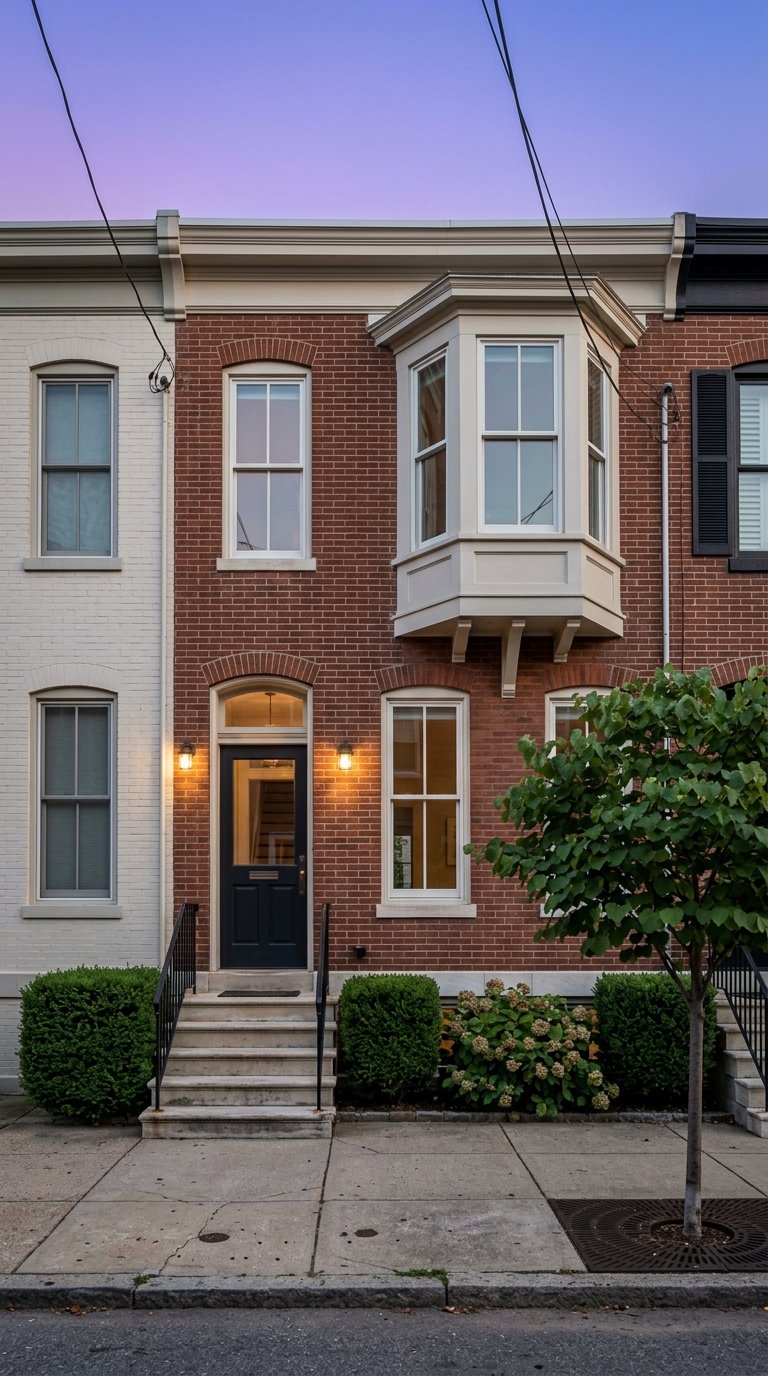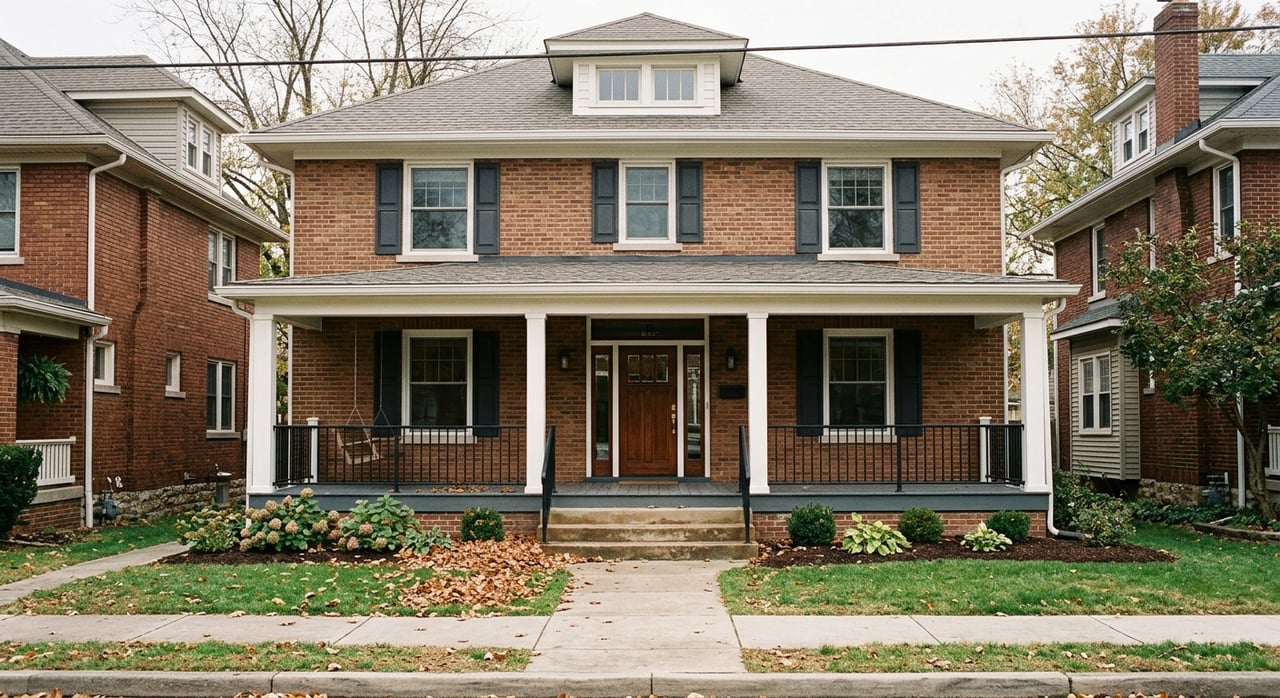
If you own a historic home in Covington, you already know you are not selling a cookie-cutter property. You are selling character, craftsmanship, and a home that may come with extra questions about condition, updates, and local preservation rules. The good news is that with the right preparation, you can present your home clearly, build buyer confidence, and put yourself in a stronger position when offers come in. Let’s dive in.
Why Covington Historic Homes Stand Out
Covington has a deep historic identity, and that matters when you sell. The city reports 17 National Register Historic Districts and the second-highest number of National Register-listed properties in Kentucky. It also has seven Historic Preservation Overlay zones, which are local ordinance-based areas with their own review standards.
That distinction is important because a home can be in a National Register district, a local Historic Preservation Overlay, both, or neither. In Covington, local overlay status has direct day-to-day impact because those properties are subject to the Historic Covington Design Guidelines. Buyers often want to know exactly what that means before they move forward.
Historic preservation is also a visible part of how the city talks about property care and neighborhood character. Covington’s preservation awards recognize restoration, rehabilitation, adaptive reuse, and long-term stewardship. For sellers, that creates an opportunity to frame your home as part of a market that values thoughtful upkeep and authentic architectural detail.
Know What Buyers Will Ask
When buyers tour a historic home, they usually ask more detailed questions than they would for a newer property. They want to understand not just what looks charming, but what has been maintained, updated, repaired, or reviewed.
Some of the most common buyer questions in Covington include:
- Is the home actually historic, or simply older?
- Is the property in a Historic Preservation Overlay?
- What work has been completed over the years?
- Were exterior changes properly approved?
- Are there any concerns with lead-based paint?
- What major maintenance items may need attention next?
If you can answer those questions early and clearly, you reduce uncertainty. That can help buyers feel more comfortable making a strong offer.
Start With Disclosure Readiness
One of the smartest ways to prepare your historic home for sale is to build your pre-listing file around Kentucky’s disclosure requirements. Under Kentucky law, sellers in single-family residential transactions handled by a licensed real estate professional complete and sign a seller’s disclosure of property condition form when the listing agreement is executed.
That form asks about issues buyers care deeply about, including basement leaks, roof leaks, water and sewage service, and the working condition of component systems. The listing agent must deliver the disclosure to a prospective buyer within 72 hours after a signed written offer is received. That means you do not want to scramble for details once a buyer is already at the table.
A strong pre-listing file can include:
- Repair invoices
- Inspection notes
- Permit records
- Warranties
- Before-and-after photos
- Service records for major systems
These documents help support your disclosures and show buyers that the home has been managed carefully.
Focus on the Right Pre-Listing Repairs
For a historic home in Covington, not every repair carries the same weight. The issues most likely to shape buyer confidence are often the same ones highlighted in Kentucky’s disclosure form.
Give extra attention to these areas before listing:
- Roof condition
- Basement moisture or leaks
- Water and sewer service
- Mechanical systems and major components
If you have already addressed any of these items, gather the paperwork now. If something still needs work, talk through your options before listing so you can decide whether to repair, disclose, or price accordingly.
Historic Overlay Rules Matter
If your home is in one of Covington’s Historic Preservation Overlays, exterior work is a major part of the sales conversation. The city states that properties in these overlays need a Certificate of Appropriateness before work begins. Some projects can be approved by staff, while others may go before the Board of Architectural Review and Development.
This is not just about large renovations. A 2025 city notice gave a practical example that standard roof replacement in a Historic Preservation Overlay still requires a Certificate of Appropriateness. Buyers may want to know whether past exterior work was reviewed properly and what future exterior changes could require city approval.
Before you list, confirm:
- Whether the property is in a Historic Preservation Overlay
- What exterior work has been completed during your ownership
- Whether you have related Certificates of Appropriateness or review records
- Whether permits and documentation are easy to share
Having this information ready helps prevent delays and confusion during due diligence.
Lead Paint Disclosure for Older Homes
If your Covington home was built before 1978, a separate lead-based paint disclosure applies. Sellers must disclose any known lead information, provide available records and reports, give the buyer the required lead pamphlet, include the warning statement, and allow a 10-day period for lead testing.
Just as important, the seller is not required to conduct or pay for that inspection. Still, buyers often appreciate clarity. If you have past reports or records, organize them early so you are prepared when questions come up.
Price the Home With Proof
Historic homes are rarely priced well by age alone. In Covington, the Census Bureau’s 2020-2024 QuickFacts puts the median value of owner-occupied homes at $187,300, but that figure is only a baseline. It is not a target price for a historic property.
A well-kept historic home may be worth more because of craftsmanship, location, originality, or the quality of updates. On the other hand, deferred maintenance, incomplete documentation, or added review requirements in an overlay can affect what buyers are willing to pay.
The strongest pricing strategy usually combines:
- Comparable sales
- Current condition
- Quality of updates
- Original features still in place
- Documentation for repairs and improvements
- Any local review considerations tied to the property
In other words, the more you can prove, the easier it is to support your asking price.
Tell the Home’s Story Clearly
Historic homes sell best when buyers understand what makes them special. That story should go beyond phrases like full of charm or loaded with character. Buyers want specifics.
A better approach is to separate the home’s features into clear categories:
- Original features such as trim, flooring, windows, doors, or masonry details
- Restored features that were repaired or preserved
- Replaced features such as roofing, HVAC equipment, plumbing fixtures, or updated finishes
This kind of packaging helps buyers see both the home’s authenticity and its livability. It also creates a smoother path for inspections, negotiations, and appraisal support.
Make Documentation Part of the Marketing
In a market like Covington, documentation can be just as valuable as presentation. Historic-home buyers often appreciate details because they are trying to balance emotion with practicality.
A simple seller packet can make a big difference. It may include the disclosure form, repair history, system updates, permits, Certificates of Appropriateness, lead-related records if applicable, and a concise summary of notable features. This gives buyers a better sense of what has been done and what ownership may involve.
That kind of preparation aligns well with a client-first selling strategy. It shows responsiveness, reduces friction, and helps serious buyers make decisions with more confidence.
What Sellers Gain From Early Planning
When historic-home sales feel stressful, it is often because the paperwork, property history, and buyer expectations were not organized early enough. A proactive approach can make the entire process feel more manageable.
With the right plan, you can:
- Reduce avoidable surprises
- Answer buyer questions faster
- Strengthen trust during showings and negotiations
- Support your price with facts
- Set realistic expectations about future exterior changes if the home is in an overlay
That does not mean every historic sale is simple. It does mean you can make the process much smoother by preparing before the home hits the market.
If you are thinking about selling a historic home in Covington, it helps to work with someone who understands how to package condition, documentation, and local context in a way buyers can trust. For hands-on guidance and clear next steps, reach out to Martha Larsen.
FAQs
What makes a home historic in Covington?
- In Covington, an important distinction is whether a property is located in a local Historic Preservation Overlay, since the city treats those overlays differently from National Register historic districts.
What should I gather before selling a historic home in Covington?
- Start with repair invoices, inspection notes, warranties, permits, before-and-after photos, and records related to the roof, basement moisture, water and sewer service, and major systems.
Do Covington historic homes need special approval for exterior work?
- If the property is in a Historic Preservation Overlay, the city requires a Certificate of Appropriateness before work begins, and some projects may require additional review.
Does a pre-1978 Covington home need lead paint disclosure?
- Yes. If the home was built before 1978, sellers must follow the lead-based paint disclosure rules, provide known records, and allow a 10-day testing window for the buyer.
How should I price a historic home in Covington?
- Use comparable sales as a starting point, then adjust for condition, originality, quality of updates, supporting documentation, and any review factors that may affect future exterior work.